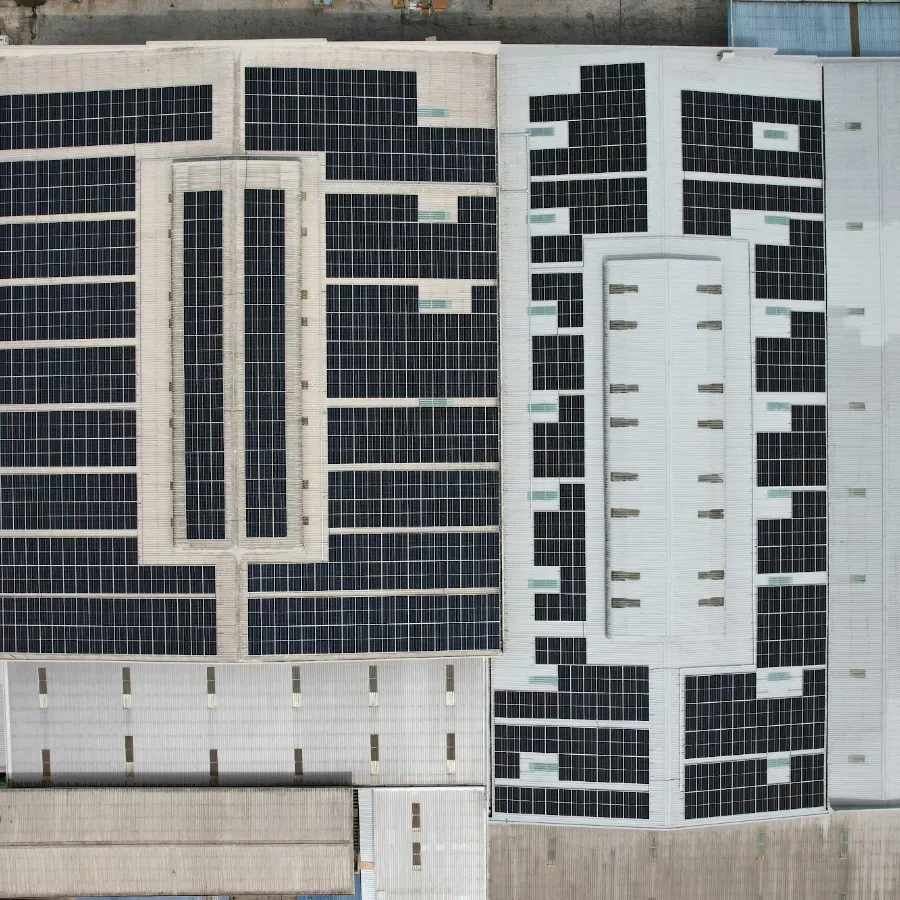
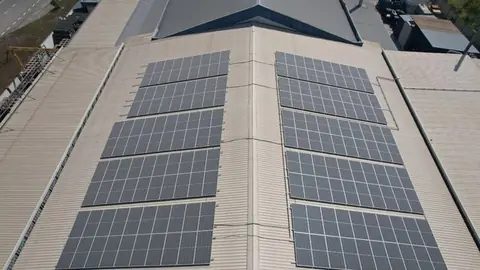
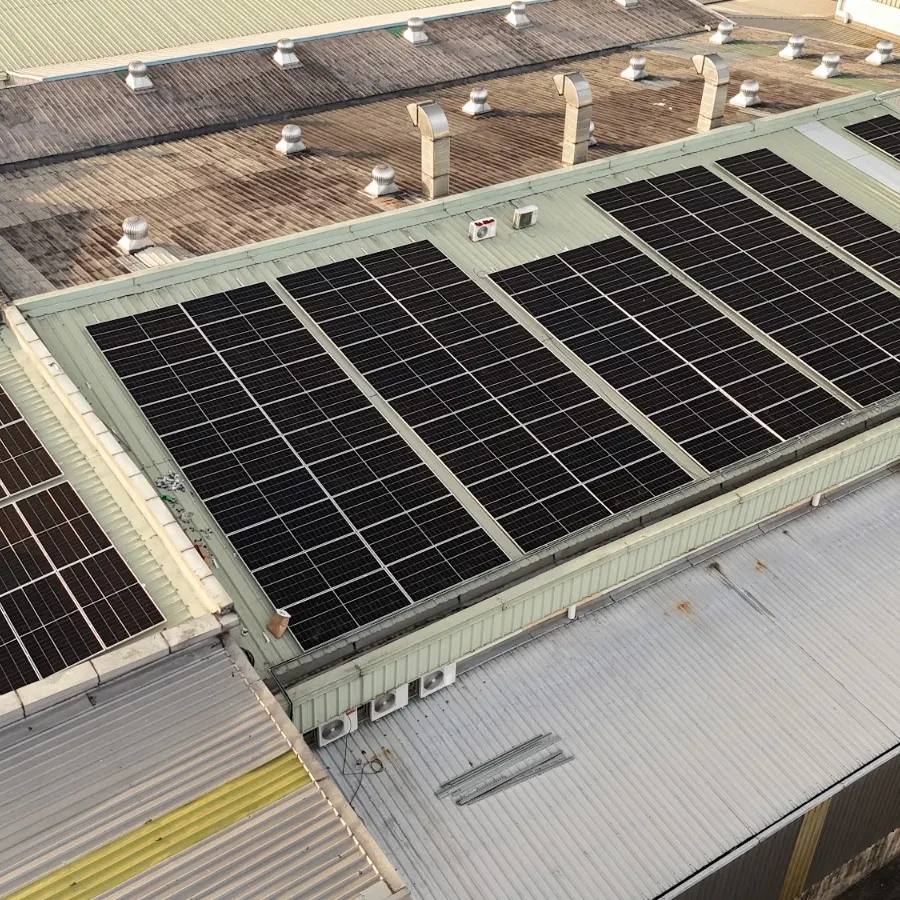
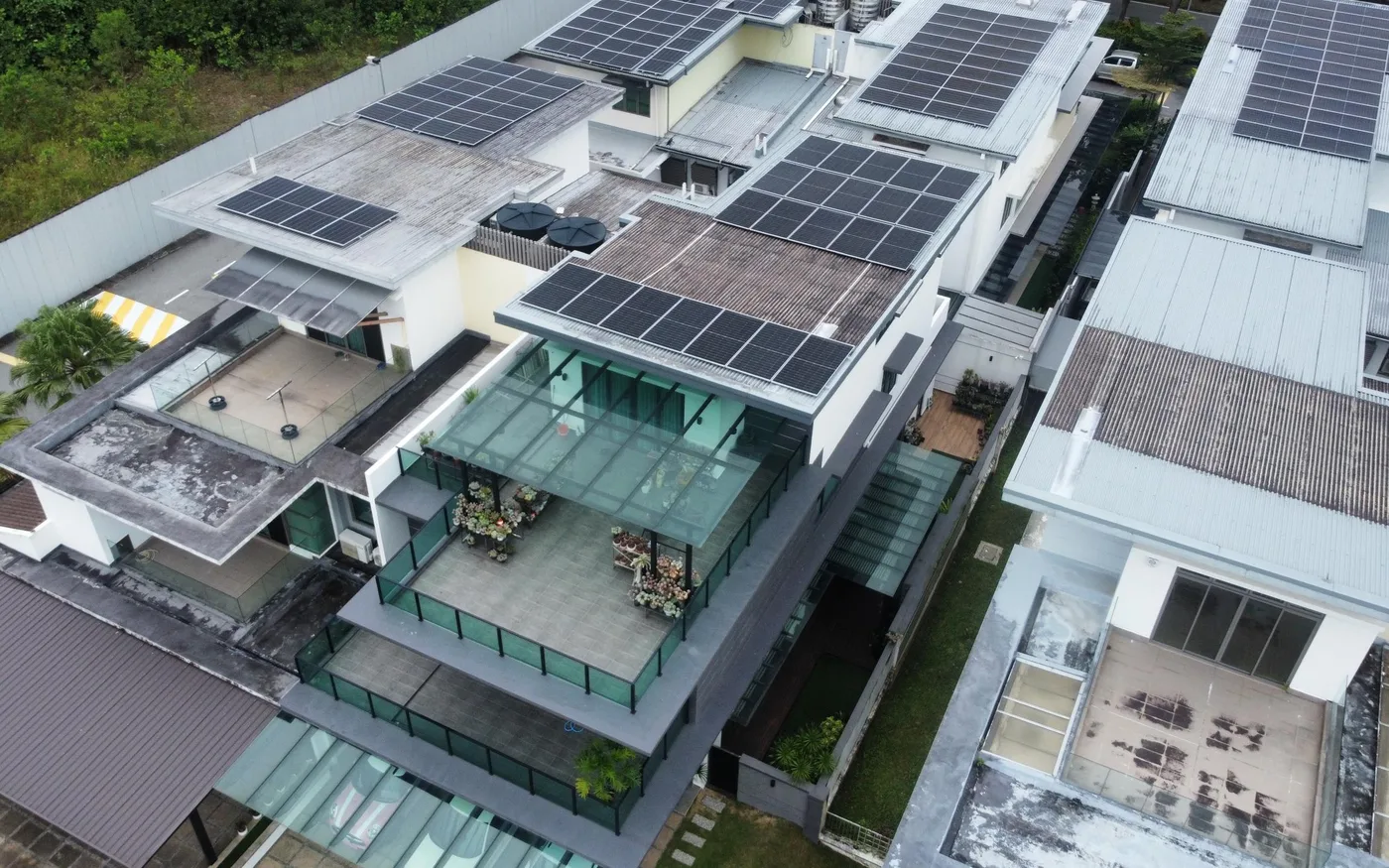
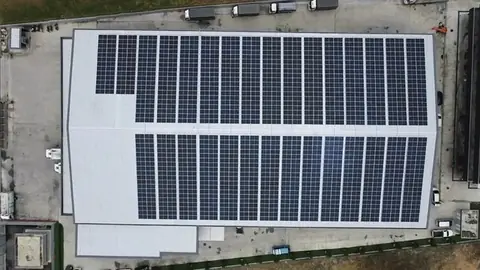
 Installations in 8 states across Malaysia
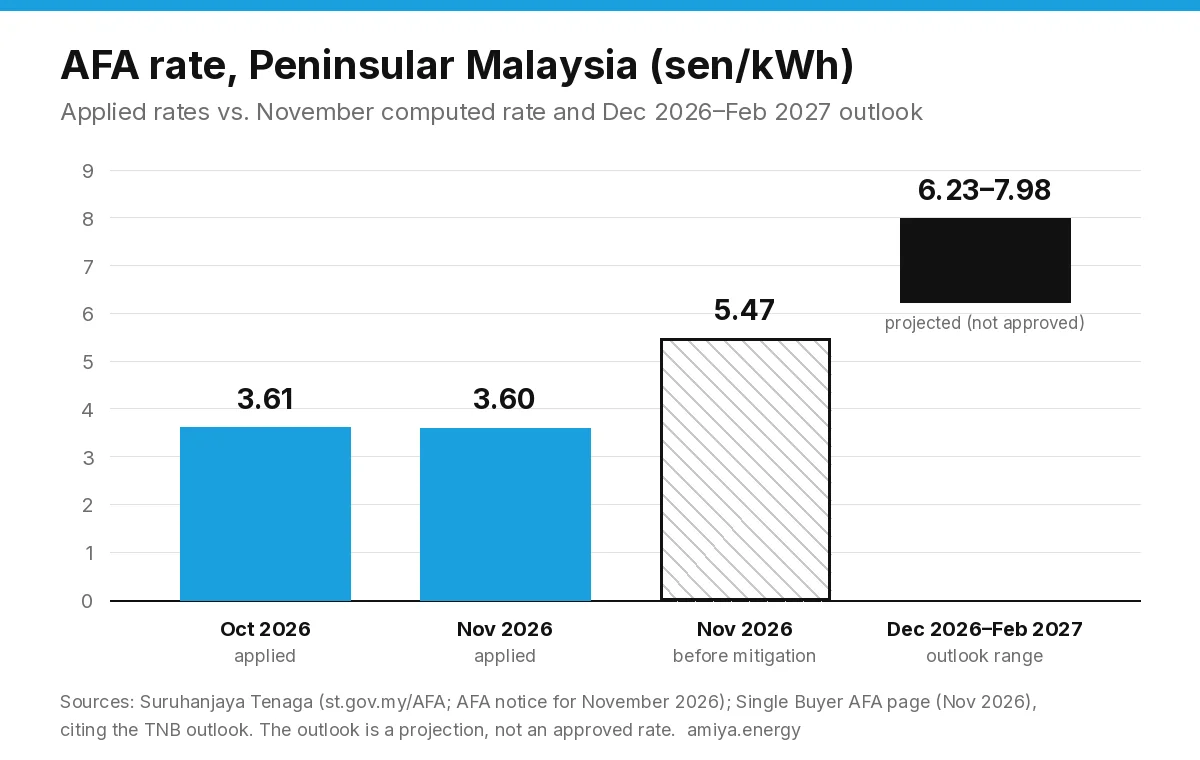 AFA Tracker · monthly rates
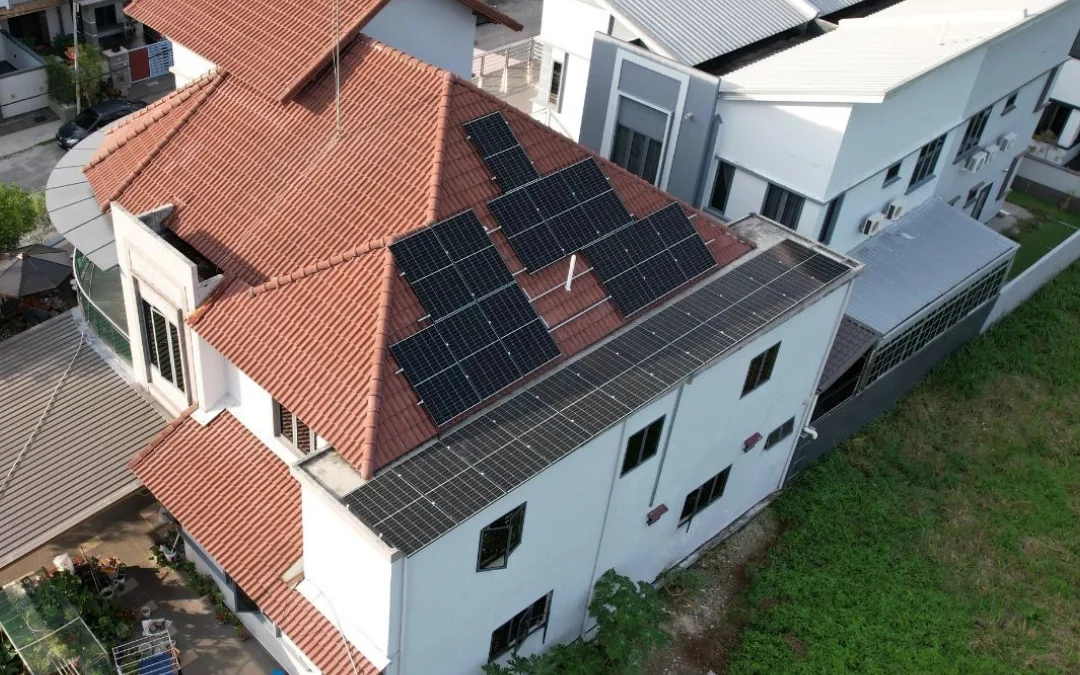 Amiya Energy installation team
ATAP
Accelerated Transition Action Programme
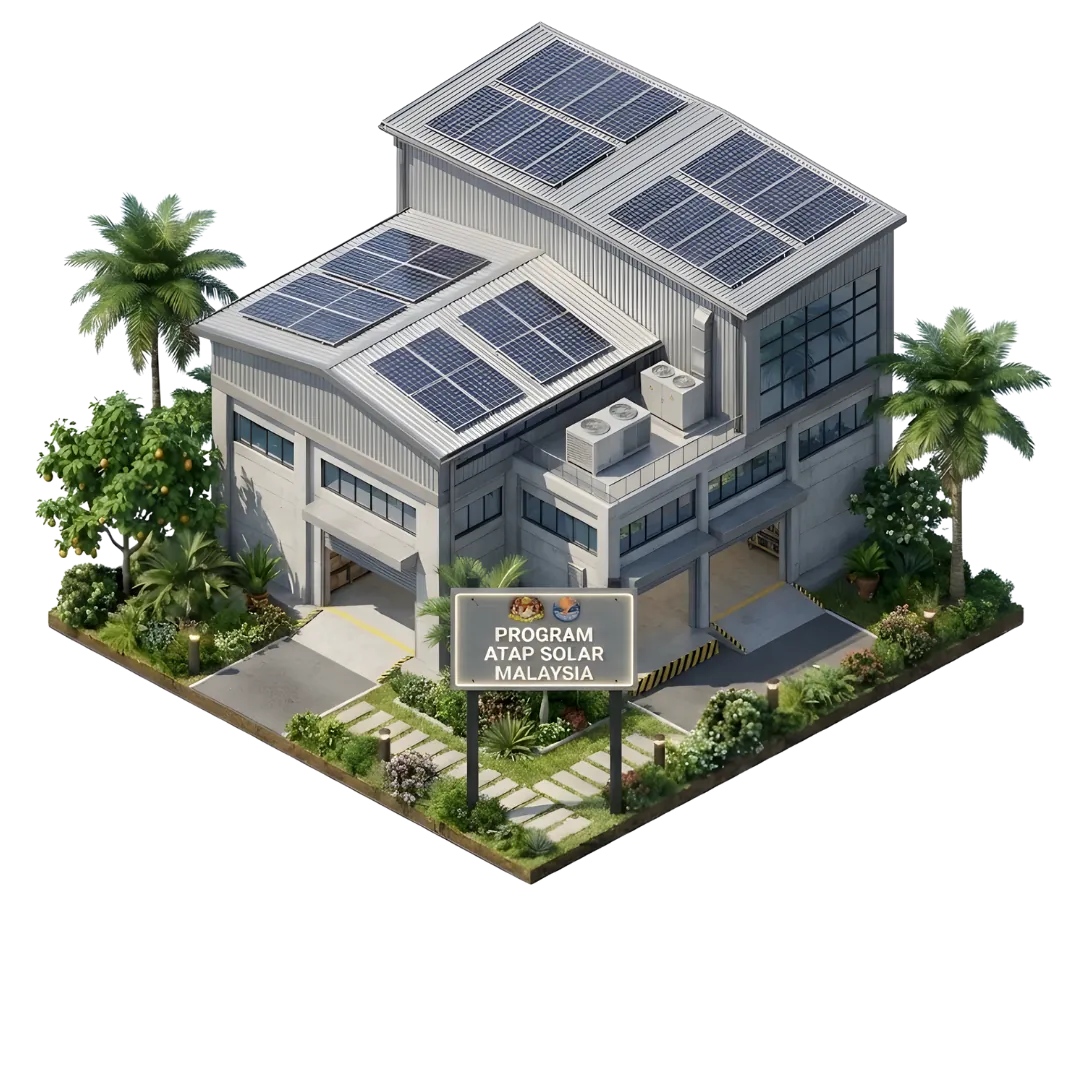
Maximize your ROI with Industrial Solar Malaysia by offsetting heavy operational loads during peak hours.

Commercial & Industrial
Residential
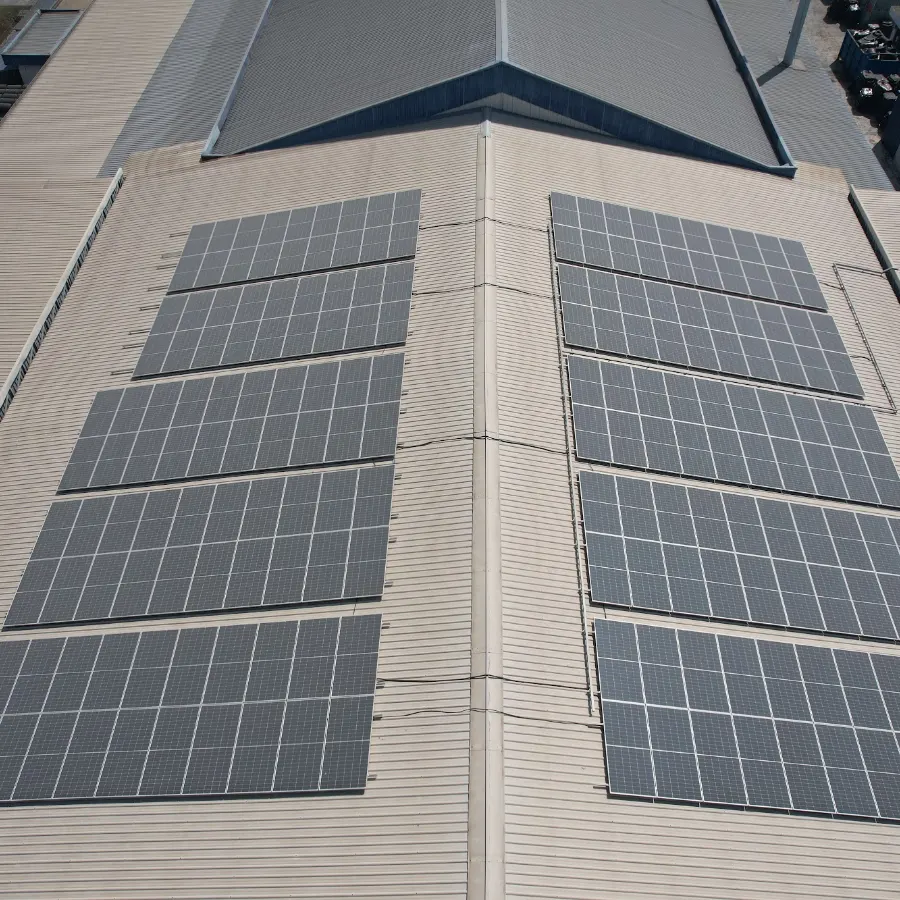 Industrial rooftop solar
Commercial & Industrial
Residential
Services & Support
Portfolio
Tools
Media & Insights

Operating a business in Malaysia means managing high overheads, with air-conditioning and facility lighting often dominating operational expenses. We serve factories and businesses nationwide; see coverage by state, our solar company in Selangor & KL, or factory solar Johor.
Maximize your corporate sustainability and operational efficiency with our premier Commercial & Industrial Solar Malaysia solutions.
Accelerated Transition Action Programme
Maximize your ROI with Industrial Solar Malaysia by offsetting heavy operational loads during peak hours.
Self-Consumption
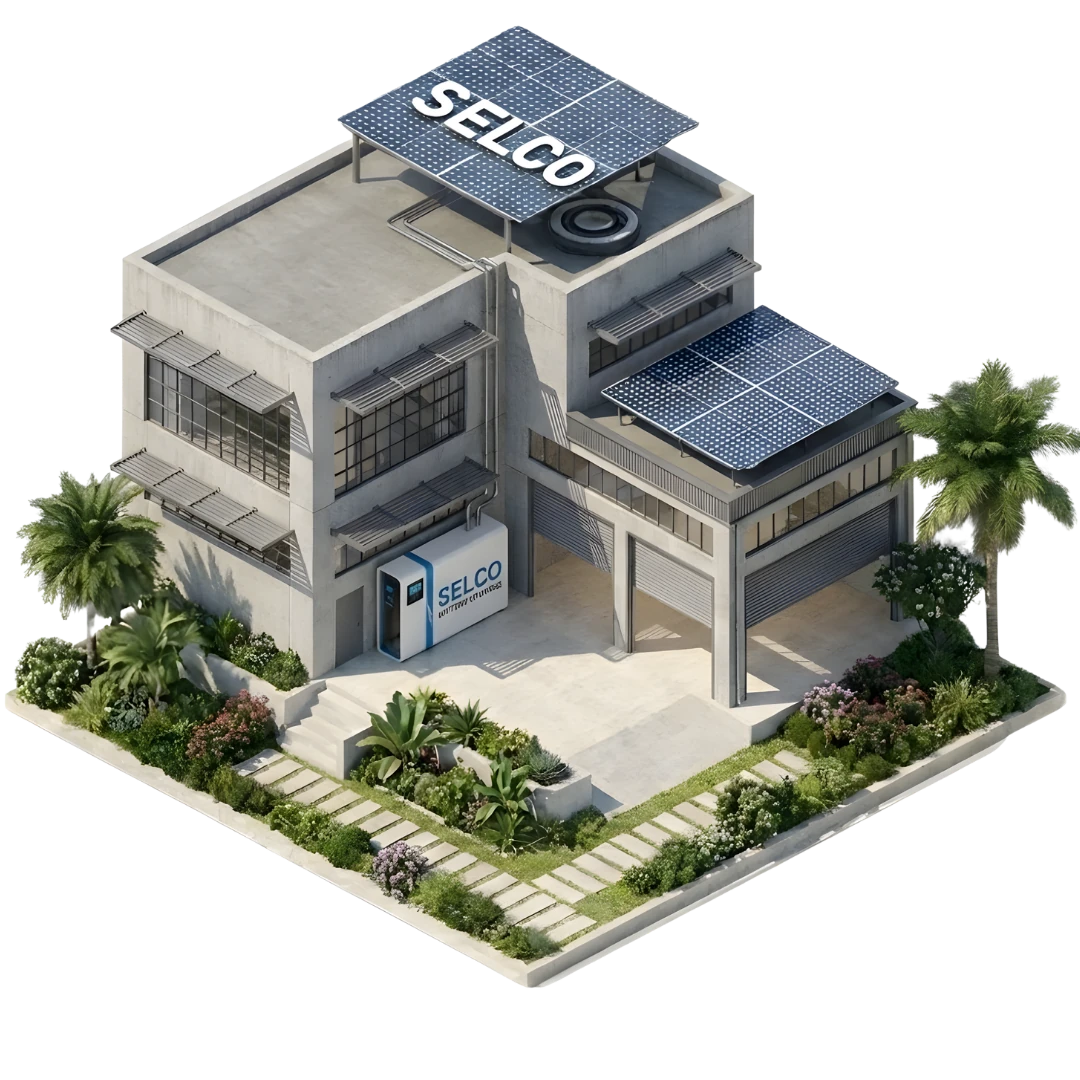
The ultimate 'Zero Export' strategy tailored for high-demand industrial facilities. By choosing SELCO for your Industrial Solar Malaysia installation, you consume 100% of the energy you generate to instantly slash overhead costs. See a real commercial solar installation in Johor under SELCO.
The greatest advantage of commercial solar is the timing. Your business consumes the most electricity during the day—exactly when your solar panels are generating peak power.

(SMEs, Management Firms & HQ Buildings)
(Shopping Malls, Supermarkets & Commercial Lots)
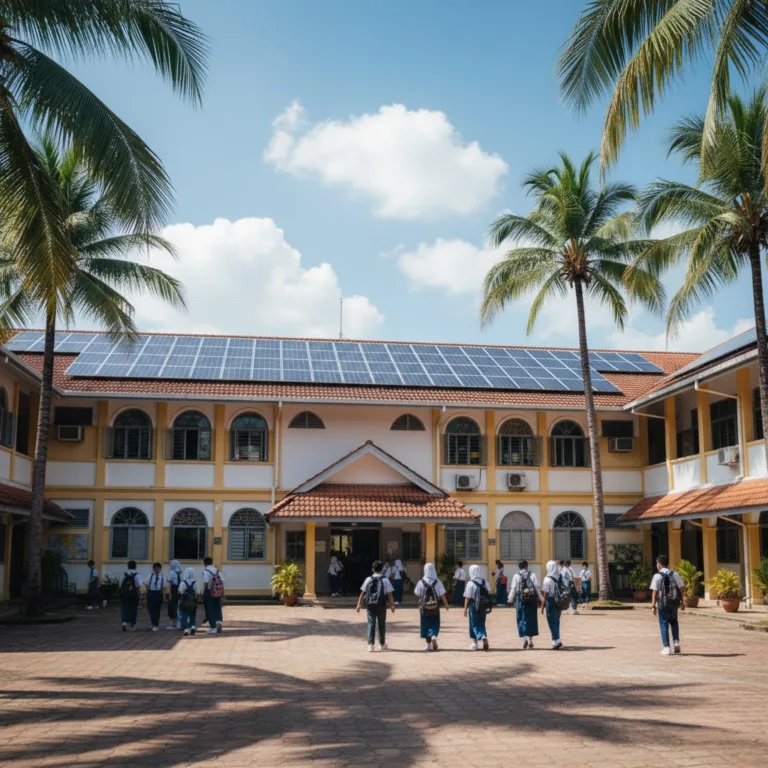
(Boutique Hotels, Private Healthcare, Schools & IPTA/IPTS)
Standard solar is not enough for the heavy load demands of Malaysian industry. Amiya Energy engineers high-performance Industrial Solar Malaysia infrastructure specifically for factories, warehouses, and processing plants.
(Steel Fabrication, Electronics & Automotive Plants)
(Fulfillment Centers, Logistics Hubs & Food Processing)
(Chemical Processing, Mills & Critical Infrastructure)
Leverage your solar investment.
Endorsed by Suruhanjaya Tenaga (ST), SEDA Malaysia, and CIDB.
Corporate assets must deliver reliable returns.
From initial ROI feasibility studies and structural PE endorsements to SEDA licensing and TNB meter integration, our engineering team handles 100% of the technical and bureaucratic processes.
Reduce your company's financial burden with our flexible financing options.
Every unit of solar power goes straight into your factory’s operations.
Leverage Malaysia’s powerful green tax framework to boost your bottom line.
Protect your business from the volatility of Malaysia’s electricity tariffs.
Meet international ESG standards.
30-Year Cumulative Cost Comparison
A selection of Amiya Energy commercial and industrial installations across Malaysia. Browse all projects for more of our work.
Five reasons Malaysian businesses and manufacturers work with Amiya Energy.
Drastically lower monthly electricity bills for your corporate office, retail space, or clinic, turning volatile utility costs into predictable savings.
Elevate your brand reputation and attract eco-conscious consumers by aligning your enterprise with global sustainability standards and Malaysia's Net Zero targets.
Premium engineering designed for long-term reliability, ensuring your daily business operations run smoothly with virtually zero maintenance downtime.
Access high-end, real-time monitoring dashboards to track your daily energy generation, perfect for internal financial audits and corporate marketing materials.
A specialized engineering team fluent in TNB Tariff B and C structures, ensuring your SME gets the most efficient and profitable system design possible.
The 2026 economic landscape demands decisive action. With Malaysia’s first Carbon Tax now in effect and the Solar ATAP program allowing for 100% self-consumption, solar is no longer just an environmental choice—it is a financial necessity for business continuity.
A Renewable Energy Certificate (REC) is a tradable record of the environmental attributes of renewable electricity. It shows that a set quantity of electricity was generated from an eligible renewable source, such as solar PV, and delivered to the grid.
A REC tracks attributes, not electricity. Power from every source mixes on the grid, so a certificate does not route electricity from a named plant to your premises. Instead, it provides a verifiable record of renewable generation that can be matched against electricity use.
Companies use RECs to support renewable-electricity claims and market-based Scope 2 reporting. Whether a claim stands depends on the rules of the registry that issued the certificate and the reporting framework the company follows.
One certificate generally represents one megawatt-hour of eligible renewable electricity generated and delivered to the grid, subject to the applicable registry and programme rules.
Renewable and conventional electricity enter the same grid and mix physically. Your premises receive grid electricity, but there is no record linking any of it to renewable generation.
The electricity still mixes on the grid. Alongside it, the registry records the renewable attributes of each eligible MWh as a certificate, which a company can hold and retire to support a claim for matching consumption.
Four stages take renewable generation from the meter to a certificate that can support a claim.
An eligible renewable plant, such as a solar PV system, generates electricity and delivers it to the grid. Its output is metered.
The applicable registry verifies the eligible generation and issues certificates, each with its own registry identifier or serial number.
A buyer acquires the renewable-energy attributes through an eligible route, either bundled with an electricity product or as unbundled certificates.
The registry records the transfer or the named beneficiary, and retires the certificate when it is used for a claim, where the programme requires this.
Certificates are acquired together with the associated electricity product, for example under a renewable supply arrangement or a green electricity tariff such as TNB’s Green Electricity Tariff (GET).
Certificates are acquired separately from the electricity supply. You keep your existing supply arrangement and acquire certificates matched to the consumption you want to cover.
Neither type is better in every case. Which one suits you depends on your energy arrangements, the market you operate in and the reporting rules you follow.
For commercial and industrial solar PV owners, Amiya Energy can help with:
If your system and the programme allow it, you may have a route to transfer or monetise its renewable attributes. Eligibility, certificate issuance and any value depend on the registry’s rules and are not guaranteed.
Before acquiring certificates, a company can set out:
You can discuss available sourcing and documentation routes with Amiya Energy. A claim depends on the certificates being validly acquired, and transferred or retired, under the applicable registry and reporting framework.
What RECs are not: RECs are not carbon removals or guaranteed carbon offsets. On their own, they do not guarantee emissions reductions, ESG compliance, tax benefits, financial returns or any particular environmental outcome.
A REC is only as credible as the registry behind it. The applicable registry verifies eligible generation, issues the certificates and keeps track of who holds each one.
Each certificate carries a registry identifier or serial number that links it to the generation it represents.
When a certificate is used for a claim, the registry can mark it as retired so it cannot be sold or claimed again. This helps prevent double claiming.
In Malaysia, RECs can be traded through platforms such as the Malaysia Green Attribute Trading System (mGATS), developed by TNB, with certificates certified under international standards such as I-REC.
Depending on the registry, a record may include:
Fields vary by registry. Rely on the details shown in the registry itself or in documents it issues.
A Renewable Energy Certificate is a record of the environmental attributes of electricity generated from an eligible renewable source, such as solar PV, and delivered to the grid. It allows that renewable generation to be tracked, transferred and claimed once.
Generally one megawatt-hour (MWh) of eligible renewable electricity, subject to the rules of the applicable registry and programme.
Bundled certificates are acquired together with the electricity product they relate to. Unbundled certificates are acquired separately from your electricity supply. Neither is better in every case; the right choice depends on your energy arrangements, your market and the reporting rules you follow.
The registry gives each certificate a unique identifier or serial number and records each transfer between account holders. Where the programme requires it, the certificate is retired for a named beneficiary when it is used for a claim. A retired certificate cannot be transferred or claimed again.
No. Electricity from every source mixes on the grid, so it is not possible to trace which plant supplied your site. A REC tracks the renewable attributes of generation; it does not change how electricity physically flows.
Start with the electricity consumption you want to cover, in MWh, for your reporting period, using your electricity bills or meter data. As one REC generally represents one MWh, the number of certificates needed is roughly equal to the MWh you want to cover. Check the approach against the reporting framework you use.
No. It depends on the registry’s eligibility rules, the scheme the system operates under (such as Solar ATAP, SELCO, FiT or LSS), and who holds the environmental attributes of its output under that arrangement. These rules can differ between schemes and programme rounds, and can change, so check your system’s current position before assuming it qualifies. Amiya Energy can help you review it.
It depends on the registry. A record may show the energy source and technology, the generating facility, the generation period, the volume in MWh and a unique identifier or serial number and, once the certificate is used, the beneficiary and retirement status. Confirm these details in the registry itself or in documents it issues.
The applicable registry, or an issuer it authorises. Amiya Energy does not issue RECs. We help eligible owners check eligibility, prepare documents and coordinate with the applicable registry or programme.
Maximize your ROI with Commercial & Industrial Solar Malaysia. We help you secure the Green Investment Tax Allowance (GITA) to offset capital costs.
Industrial solar Malaysia projects can qualify for the Green Investment Tax Allowance. We provide the technical documentation for your MIDA application.
Most factories use solar power on site under SELCO, cutting maximum demand and daytime energy charges on the TNB bill.
Prefer no upfront cost? Our solar PPA lets you pay only for the solar energy you use.
Based in Johor Bahru, we build factory solar in Johor industrial parks including Pasir Gudang, Senai and Kempas.
Talk to Amiya Energy about ATAP, SELCO, PPA and green financing options for your office, retail premises, factory or warehouse.