
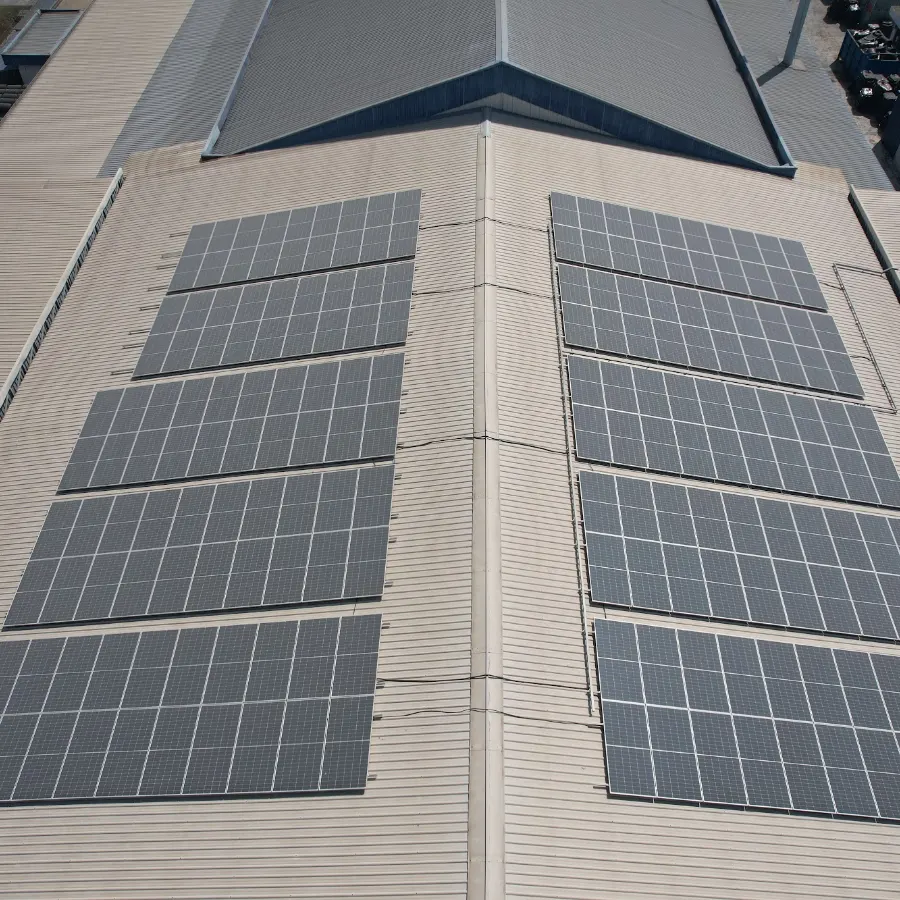
 Industrial rooftop solar
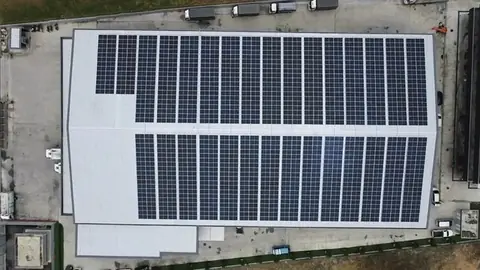 Installations in 8 states across Malaysia
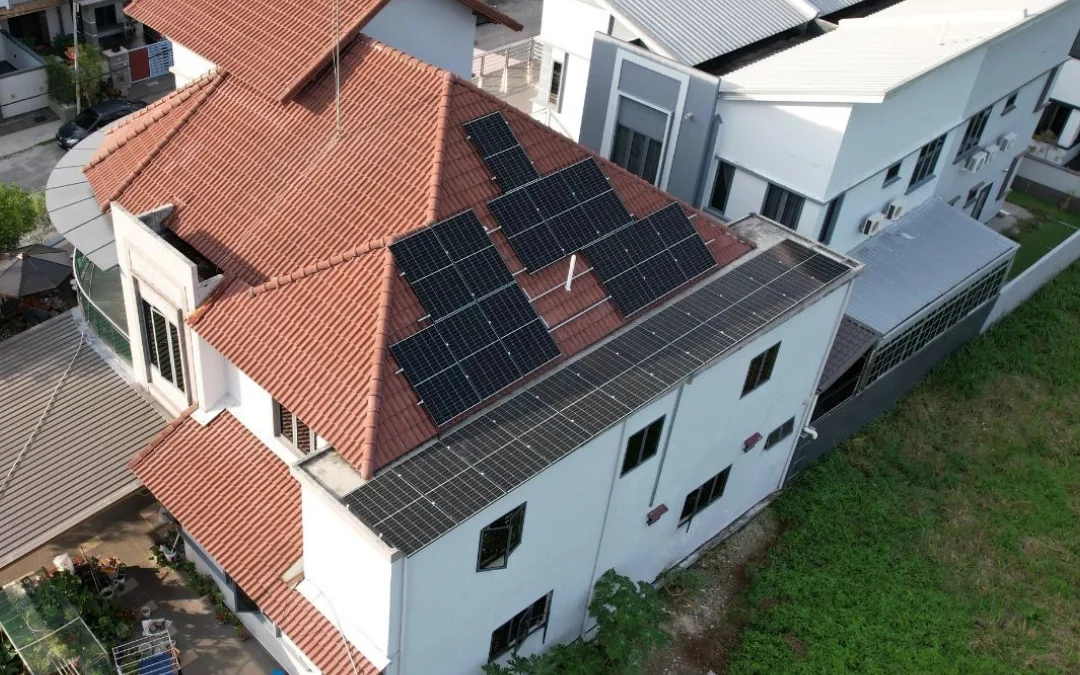 Amiya Energy installation team
The AFA surcharge (Automatic Fuel Adjustment) set by the Energy Commission (Suruhanjaya Tenaga, ST) for 1–30 November 2026 is RM0.0360/kWh (3.60 sen/kWh) for Peninsular Malaysia, compared with 3.61 sen/kWh in October 2026. The AFA surcharge is still positive. For a factory, warehouse or office, that means the energy cost of every grid kWh keeps moving month to month, even when your customer order prices, rental contracts and budgets are fixed for the year.
This article explains what the November AFA surcharge is, why it applies, what the published outlook says for December 2026 to February 2027, and what commercial and industrial (C&I) sites can actually control. Every figure below comes from ST, Single Buyer or TNB publications linked in the sources.
For every month’s rate in one table, with links to each ST notice, see our AFA Surcharge Tracker.
In this guide:
- AFA surcharge November 2026 at a glance
- Why the AFA surcharge is positive
- TNB AFA outlook: December 2026 to February 2027
- What it means for factories, warehouses and offices
- How on-site solar reduces AFA exposure
- Year-end checklist
- FAQ
AFA surcharge November 2026 at a glance
- Rate: RM0.0360/kWh for 1 to 30 November 2026, Peninsular Malaysia (ST Monthly AFA Rate).
- Previous month: RM0.0361/kWh in October 2026, a decrease of only 0.01 sen/kWh (ST notice for November 2026).
- Before mitigation: Single Buyer says the November AFA was computed as a surcharge of RM562 million, equivalent to 5.47 sen/kWh. RM192 million (1.87 sen/kWh, 34% of the surcharge) was offset using savings from the Energy Cost True-Up Adjustment (ECTUA) for July 2026, bringing the applied rate down to 3.60 sen/kWh (Single Buyer AFA page).
- Who is exempt: Single Buyer states that domestic consumers using 800 kWh a month or less remain exempt from the AFA surcharge until December 2026. That exemption is for domestic accounts; it is not a C&I relief.
Why the AFA surcharge is positive: fuel prices above the tariff baseline
AFA came into effect on 1 July 2025 with the Fourth Regulatory Period (RP4, 1 July 2025 to 31 December 2027) under the Incentive-Based Regulation framework. It is reviewed monthly against the fuel and generation cost baseline in RP4, and it can be a surcharge or a rebate (ST).
For November 2026, Single Buyer lists these drivers:
- Coal: 136.81 USD/MT, against a base price of 97 USD/MT.
- Gas Tier 2: 68.68 RM/mmBTU, against a base price of 46 RM/mmBTU (Tier 1 is at its 35 RM/mmBTU base).
- Exchange rate used: 4.0629 RM/USD.
ST also points to global energy-market volatility, geopolitical uncertainty and the use of alternative fuels as a contingency to keep supply reliable.
TNB AFA outlook: December 2026 to February 2027
Single Buyer, citing TNB, says the AFA outlook for December 2026 to February 2027 is projected at +6.23 sen/kWh to +7.98 sen/kWh under its base case. The outlook mentions higher average coal and Tier 2 gas prices and a slightly weaker ringgit (Single Buyer).
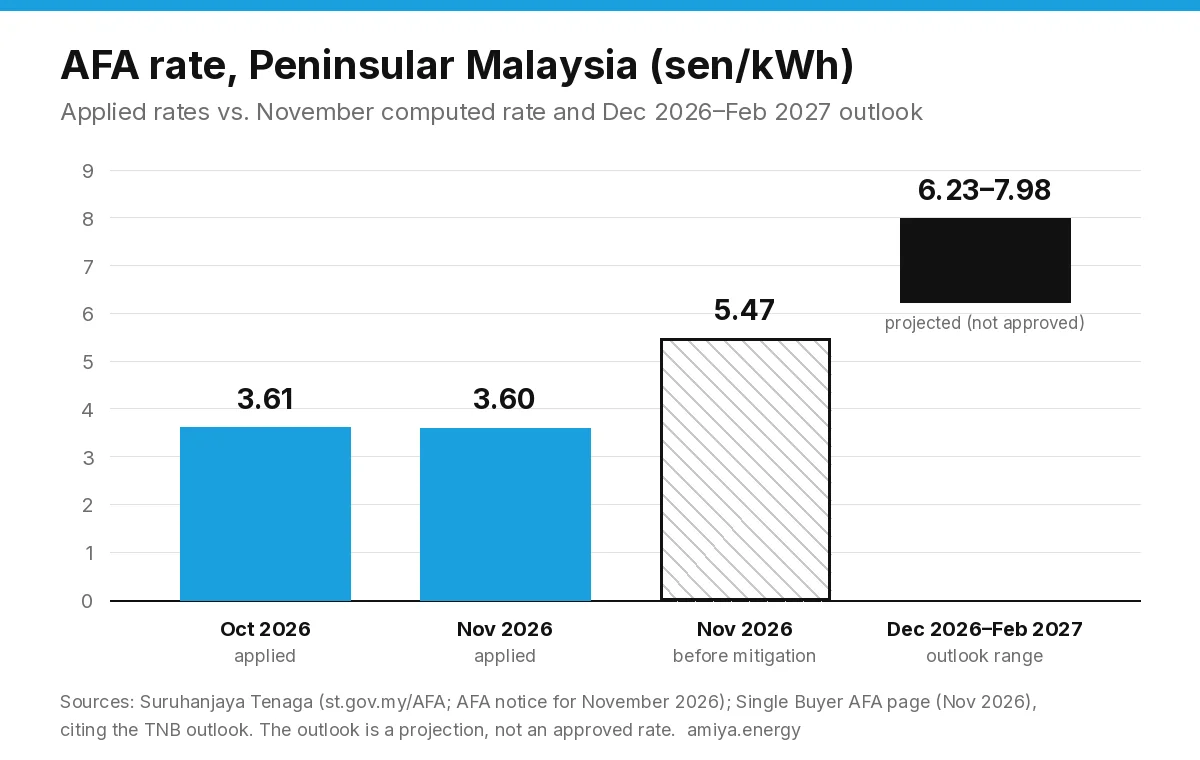
This is a projection, not an approved rate. ST announces each month’s actual AFA, and mitigation can change the final figure, as it did in November. For planning, however, it shows that the AFA surcharge is not expected to disappear soon.
What the AFA surcharge means for factories, warehouses and offices
AFA is set in RM per kWh. Single Buyer describes it as an adjustment to the variable component of the Energy Charge. In practice:
- It follows your kWh, not your contracts. If your plant runs extra shifts to close year-end orders, every extra kWh drawn from the grid carries that month’s AFA surcharge on top of the energy, capacity and network charges.
- It is a separate line on your bill. Our guide on how to read a commercial or industrial TNB bill shows where kWh, maximum demand and adjustments appear, so your finance team can track the AFA surcharge month by month.
- It is different from maximum demand. Maximum demand (kW) charges respond to your highest load peaks. AFA responds to total kWh. They need different fixes. See our peak shaving guide for the demand side.
Illustration only: what the AFA surcharge line can look like
The figures below use only the published AFA rates and a hypothetical grid consumption of 100,000 kWh in a month. They exclude every other bill component and tax, and they are not a quote or a savings estimate.
- 100,000 kWh × RM0.0360 (November 2026 rate) = RM3,600 of AFA for the month.
- 100,000 kWh × RM0.0623 to RM0.0798 (Dec 2026–Feb 2027 outlook range) = RM6,230 to RM7,980 per month, if the projected rates were applied as published.
Replace 100,000 kWh with the kWh on your own TNB bill to see your own exposure.
How on-site solar reduces the grid kWh exposed to the AFA surcharge
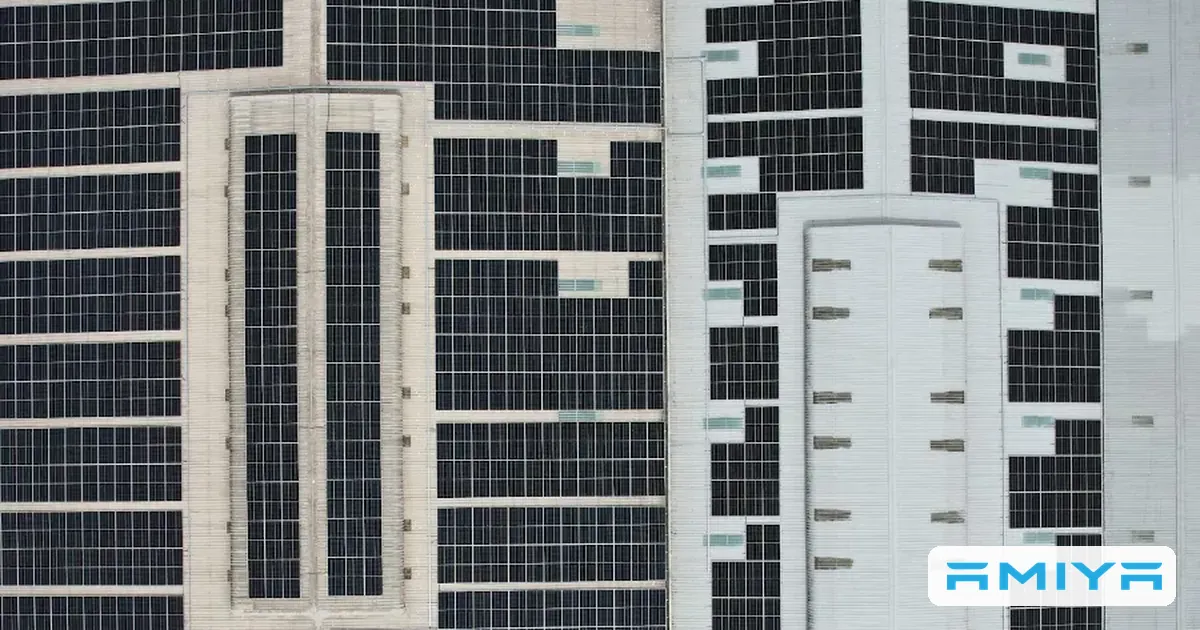
Electricity generated by a rooftop solar system and used on site does not need to be drawn from the grid, so those kWh are not billed by TNB and do not carry the AFA surcharge. Daytime-heavy loads, such as production lines, cold rooms, compressors and office air-conditioning, are the best match for solar output.
Under the Solar ATAP programme, consumers in Peninsular Malaysia generate solar power mainly for their own use. The Energy Commission guidelines say non-domestic consumers receive bill credits for surplus energy exported to the grid based on the Average System Marginal Price (SMP). That is why C&I systems are usually sized around how much the site uses during daylight hours, rather than to export as much as possible. For factory-specific programme rules, see our Solar ATAP + BESS guide for factories.
Solar does not remove AFA from the kWh you still draw from the grid at night or on cloudy days. It reduces the number of grid kWh that the AFA surcharge applies to. How much it reduces depends on your load profile, roof area and tariff. We do not publish a generic savings percentage because it would not be true for every site.
A year-end checklist for C&I energy managers
- Pull 12 months of TNB bills and note the kWh, maximum demand and AFA lines for each month.
- Budget for a range, not a single number. Use the published outlook as a sensitivity check for Q1 2027 cost planning.
- Map your daytime load. Shift patterns and interval data show how much of your consumption solar could cover.
- Check your tariff structure. Our TNB Time of Use tariff guide explains how peak and off-peak periods interact with solar hours.
- Get a site-specific design. See how we approach industrial solar in Malaysia, or try the solar calculator for a first rough look.
AFA surcharge FAQ
What is the AFA rate for November 2026?
Suruhanjaya Tenaga set the Automatic Fuel Adjustment for 1 to 30 November 2026 at RM0.0360/kWh (3.60 sen/kWh) for Peninsular Malaysia, compared with RM0.0361/kWh in October 2026. Source: ST Monthly AFA Rate.
Will the AFA surcharge go up in December 2026?
Single Buyer, citing TNB, says the AFA outlook for December 2026 to February 2027 is +6.23 to +7.98 sen/kWh in its base case. This is a projection. ST announces the applied rate each month, and mitigation can lower it. Source: Single Buyer AFA page.
Do factories and businesses pay the AFA surcharge?
ST publishes the AFA as a rate for electricity consumers in Peninsular Malaysia. The exemption listed by Single Buyer is for domestic consumers using 800 kWh a month or less until December 2026, so it does not cover commercial or industrial accounts. Check the AFA line on your own TNB bill. Sources: ST, Single Buyer.
Why is the November 2026 AFA a surcharge?
Single Buyer says coal (136.81 USD/MT against a 97 USD/MT base) and Tier 2 gas (68.68 RM/mmBTU against a 46 RM/mmBTU base) were above the baseline used in tariff setting. The computed 5.47 sen/kWh was reduced to 3.60 sen/kWh using ECTUA savings. Source: Single Buyer AFA page.
Does rooftop solar reduce the AFA surcharge on my bill?
AFA is charged per kWh drawn from the grid. Solar electricity used on site is not drawn from the grid, so those kWh do not carry AFA. kWh still drawn from the grid at night or in poor weather do. How much is covered depends on your load profile and roof. See our Solar ATAP guide.
Talk to Amiya Energy
Amiya Energy designs rooftop solar for factories, warehouses and commercial buildings across Malaysia. Send us a recent TNB bill and we will explain how much of your grid kWh, and the AFA surcharge on it, on-site solar could realistically cover.
Book a free consultation. The consultation is free; the system design, roof and site assessment, and installation are quoted separately.
Sources (accessed 12 November 2026): Suruhanjaya Tenaga, Monthly AFA Rate and Notis Kadar AFA bagi Bulan November 2026; Single Buyer, Automatic Fuel Adjustment (AFA), including the TNB-published outlook; Energy Commission, Guidelines for Solar ATAP in Peninsular Malaysia (GP/ST/No. 60/2025). Tariff and AFA rates are set monthly. Check st.gov.my and mytnb.com.my/tariff for the current rate.