
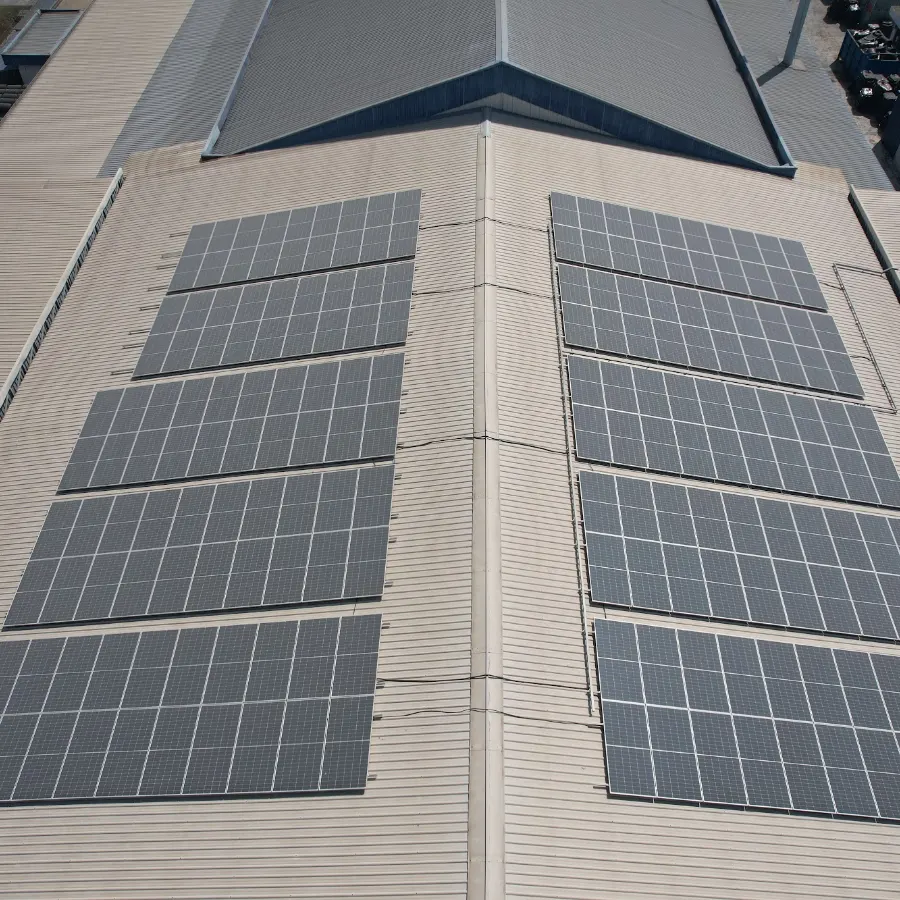
 Industrial rooftop solar
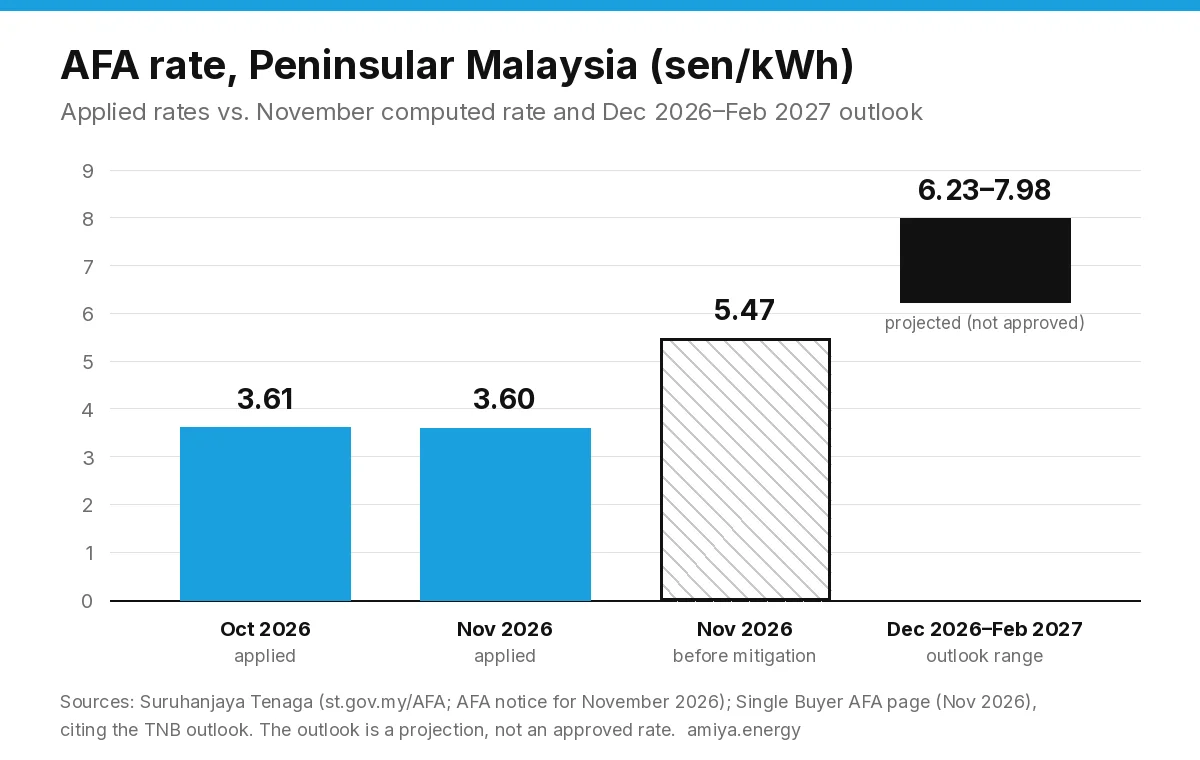 AFA Tracker · monthly rates
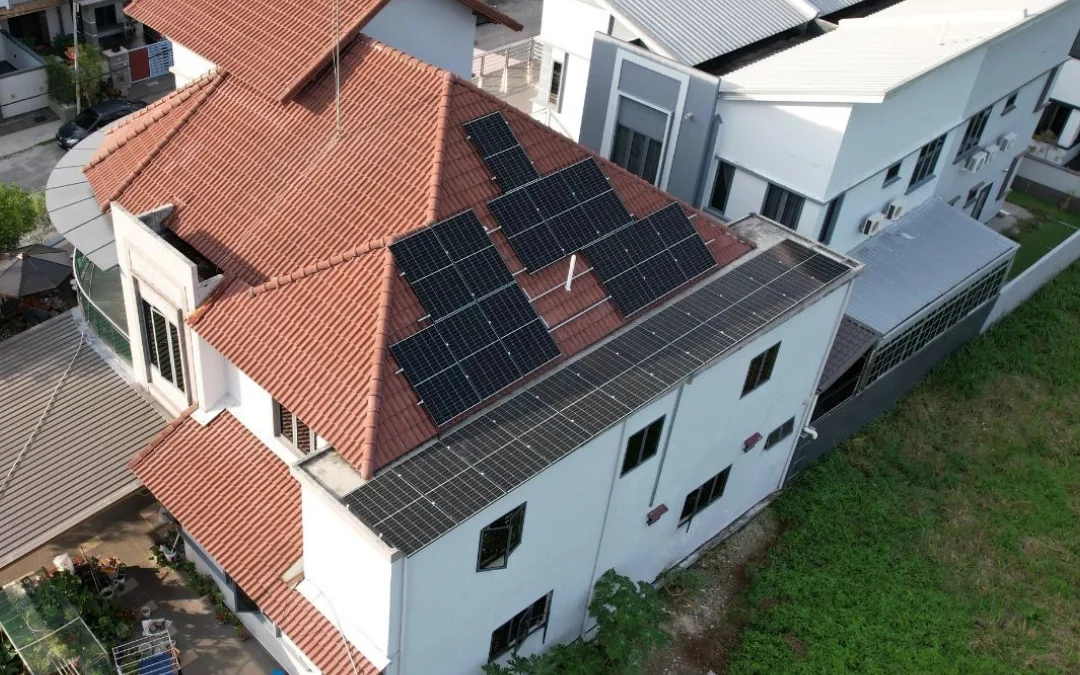 Amiya Energy installation team
Malaysian factories looking at rooftop solar in Peninsular Malaysia now work under the Solar Accelerated Transition Action Programme (Solar ATAP). Some sites also ask whether a battery energy storage system (BESS) should sit beside that solar array. This guide sets out only what official public sources say, and how Amiya Energy can help you apply it to a real factory roof.
In this guide:
- What Solar ATAP is
- Solar ATAP rules for factories
- Solar ATAP application steps for a factory
- Why Solar ATAP self-consumption matters now
- Where BESS fits
- Solar ATAP and BESS: questions to ask
- Solar ATAP FAQ
For state-by-state service pages, start at our solar company Malaysia hub and the pages for Selangor & Kuala Lumpur, Penang, Johor Bahru and the other states listed on the hub. Published installations are on our project list.
What Solar ATAP is
Solar ATAP is the current consumer solar programme for Peninsular Malaysia. It is implemented by the Sustainable Energy Development Authority (SEDA) Malaysia, regulated by the Energy Commission (Suruhanjaya Tenaga), and was introduced under the Ministry of Energy Transition and Water Transformation (PETRA).
According to SEDA, the programme started on 1 January 2026. The Energy Commission’s official document is the Guidelines for Solar Accelerated Transition Action Programme in Peninsular Malaysia, registration no. GP/ST/No. 60/2025, effective 1 January 2026. SEDA’s public FAQ and those guidelines describe ATAP as a way for a consumer to generate electricity from a solar PV system on their own premises, mainly for their own use, and to export any surplus to the grid for a bill credit.
SEDA and the Energy Commission publish the full rules. Always check the live pages before you design a system:
- SEDA Solar ATAP: https://www.seda.gov.my/reportal/atap/
- SEDA ATAP general FAQ: https://www.seda.gov.my/reportal/atap/solaratap-general/
- Energy Commission ATAP guidelines: https://www.st.gov.my/resources/guidelines-solar-accelerated-transition-action-programme-peninsular-malaysia
Solar ATAP rules for factories (non-domestic customers)
These points are taken from SEDA’s public FAQ and the Energy Commission guidelines. They are not Amiya estimates.
- Who may apply. The applicant must be a registered TNB consumer. Co-generators, back-feed arrangements, and TNB accounts registered under tenant sub-meters in a multi-tenant scheme are not eligible. Full eligibility, including programmes an applicant must not already be registered under, is on the SEDA FAQ — we do not summarise every exclusion here.
- Capacity cap for non-domestic customers. Up to 100% of the site’s Maximum Demand (MD), subject to technical assessment, with a maximum of 1,000 kW.
- How export is credited (non-domestic). The Energy Commission guidelines state that non-domestic consumers receive bill credits on surplus energy based on the Average SMP (system marginal price). We do not quote a ringgit figure here because that rate is not a fixed tariff we can treat as permanent. Check the official documents and your TNB bill for the rate that applies to your account.
- Tenure. SEDA states the ATAP contract tenure is ten (10) years from commencement. After that, the solar PV installation is for self-consumption at the same premise, and no offset or roll-over is allowed for excess energy exported.
- How to apply. Applications go through SEDA’s eATAP system at atap.seda.gov.my, submitted by a SEDA Registered PV Service Provider (RPVSP).
- Technical studies. SEDA’s FAQ sets out when a Connection Assessment Study (CAS), fault-current analysis, or a Power System Study (PSS) may be required, depending on voltage level and capacity (for example, non-domestic LV systems above 72 kW require CAS; higher MV/HV capacities have further study requirements). Confirm the current table on the SEDA FAQ for your voltage and kW.
Amiya Energy is a SEDA-registered solar company and can act as the Registered PV Service Provider for an eligible factory application. We also design industrial solar systems around your load and TNB bills.
Solar ATAP application steps for a factory
The official route is set by SEDA and the Energy Commission. In practice, a factory Solar ATAP project moves through these stages:
- Collect your TNB bills. Twelve months of bills show energy use (kWh) and maximum demand (kW). Our guide on how to read a commercial or industrial TNB bill explains each line.
- Check eligibility. The applicant must be a registered TNB consumer, and the exclusions on the SEDA Solar ATAP FAQ must not apply.
- Size the system within the cap. For non-domestic customers, Solar ATAP capacity is up to 100% of maximum demand, subject to technical assessment, with a maximum of 1,000 kW.
- Review the roof and electrical room. Structure, shading and the point of connection decide what can actually be built.
- Submit through eATAP. A SEDA Registered PV Service Provider (RPVSP) submits the Solar ATAP application on atap.seda.gov.my.
- Complete any technical studies. Depending on voltage level and capacity, SEDA may require a Connection Assessment Study, fault-current analysis or a Power System Study.
- Install, test and commission. Follow the SEDA and TNB instructions issued for your application before the system starts generating.
Why Solar ATAP self-consumption matters more in late 2026
Under Solar ATAP, a factory generates solar electricity mainly for its own use, and the Energy Commission guidelines say non-domestic surplus exports are credited at the Average System Marginal Price. So the value of a Solar ATAP system comes mostly from the grid kWh it replaces during the day.
Those grid kWh currently carry a monthly surcharge. The Energy Commission set the Automatic Fuel Adjustment (AFA) for 1 to 30 November 2026 at RM0.0360/kWh for Peninsular Malaysia (ST). Single Buyer, citing TNB, projects +6.23 to +7.98 sen/kWh for December 2026 to February 2027; that is a projection, not an approved rate (Single Buyer). Read more in our AFA surcharge November 2026 guide.
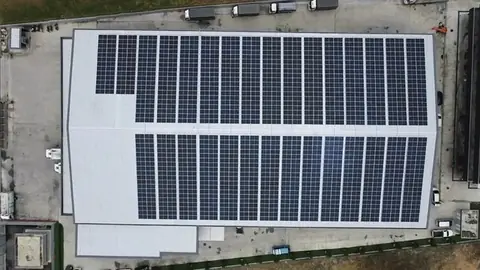
Where BESS fits with Solar ATAP — and what official sources actually require
A BESS stores electricity so a factory can use solar energy later in the day, or reduce short peaks in demand. That is a design choice. It is not automatically required on every Solar ATAP factory system.
Two official points matter:
- Solar ATAP capacity is capped at 1,000 kW for non-domestic customers (SEDA). A typical ATAP factory system therefore sits at or below that cap.
- Self-consumption (SELCO) rules are separate. A Suruhanjaya Tenaga public notice dated 31 December 2025 said the Energy Commission would update the SELCO guidelines so that a BESS requirement applies to installations exceeding 1 MWac (a change from the earlier, lower threshold). The Energy Commission later published updated SELCO guidelines on its website. If a factory is considering SELCO rather than ATAP, or a system larger than the ATAP cap, the current SELCO document on st.gov.my is the source to follow — including any transition dates and any site-specific exceptions.
In short: for most factory roofs that fit under Solar ATAP’s 1,000 kW cap, we do not treat a battery as a programme mandate just because ATAP applies. A battery may still be useful for operations (for example, to help manage maximum demand on a medium- or high-voltage TNB account). Whether it is worthwhile depends on your load profile, tariff and site, not on a generic payback number. We will not invent one here.
If a BESS is specified, electrical safety is governed by the Energy Commission’s Battery Energy Storage System (BESS) Safety Guidelines (GP/ST/No. 62/2026). Those guidelines cover design, installation, protection (including anti-islanding for grid-connected systems) and maintenance by competent persons. Read them on the Energy Commission website before any procurement decision.
For a broader C&I overview, see our published page on commercial solar and BESS in Malaysia and our TNB Time of Use tariff guide.
Fuel costs move your bill too: see what the November 2026 AFA surcharge means for factory energy costs and the published outlook to February 2027.
Solar ATAP and BESS: questions to ask before you decide
Use these questions with any installer. They keep the discussion on your site’s data rather than on generic numbers:
- How much of our daytime load can a Solar ATAP system cover, based on our own interval data or TNB bills?
- What capacity does the 100%-of-maximum-demand rule allow for our account, and is the roof large enough to use it?
- Which technical studies will SEDA require for our voltage level and capacity?
- Would a BESS reduce our maximum-demand charge, or only shift solar energy later in the day?
- If a BESS is proposed, how does the design follow the Energy Commission BESS Safety Guidelines (GP/ST/No. 62/2026)?
- Who maintains the system, and what monitoring data will we receive?
How Amiya Energy works with a factory
We size a factory system from your TNB bills and load profile, check the roof, and handle the SEDA and TNB paperwork as a Registered PV Service Provider. Published examples on our site include a 508.2 kWp factory rooftop in Kempas, Johor Bahru, and an 89.18 kWp industrial rooftop in Pasir Gudang, Johor — see the project list and factory solar Johor page for the installations we have actually published. We serve factories nationwide from our Johor Bahru headquarters; use the state hub to open the page for your location.
Ready to review a factory roof? Contact Amiya Energy with a recent TNB bill and we will tell you which official programme and which studies apply to your site.
Solar ATAP FAQ
What is Solar ATAP?
Solar ATAP (Solar Accelerated Transition Action Programme) is the consumer solar programme for Peninsular Malaysia, implemented by SEDA and regulated by the Energy Commission. SEDA says it started on 1 January 2026.
How large can a factory Solar ATAP system be?
For non-domestic customers, SEDA allows up to 100% of the site’s maximum demand, subject to technical assessment, with a maximum of 1,000 kW.
How is surplus Solar ATAP energy credited for factories?
The Energy Commission guidelines state that non-domestic consumers receive bill credits on surplus energy based on the Average System Marginal Price (SMP).
Is a BESS required for Solar ATAP?
Official sources do not make a battery a general Solar ATAP requirement. A Suruhanjaya Tenaga notice of 31 December 2025 linked a BESS requirement to SELCO installations exceeding 1 MWac. Check the current SELCO guidelines on st.gov.my for your case.
Who submits a Solar ATAP application?
A SEDA Registered PV Service Provider (RPVSP) submits it through SEDA’s eATAP system at atap.seda.gov.my.
Planning Solar ATAP for a factory? Book a free consultation. The consultation is free; system design, roof or site assessment and installation are quoted separately.
Sources: SEDA Solar ATAP pages and FAQ (accessed 10 November 2026); Energy Commission Guidelines for Solar ATAP in Peninsular Malaysia, GP/ST/No. 60/2025; Energy Commission notice on SELCO adjustments, 31 December 2025; Energy Commission BESS Safety Guidelines, GP/ST/No. 62/2026; Suruhanjaya Tenaga Monthly AFA Rate and Single Buyer AFA page (accessed 12 November 2026). Programme rules can change — confirm on seda.gov.my and st.gov.my.